Building a Powerful Credit Score: From Ground Zero to Version 2.0
Technology is playing a bigger role in shaping credit scores, and you can get a clear grasp of these new methods today.
How Has Credit Score 2.0 Changed the Game?
The credit score stands as one of the most crucial financial concepts in the U.S., acting as your key to unlocking and broadening financial possibilities.
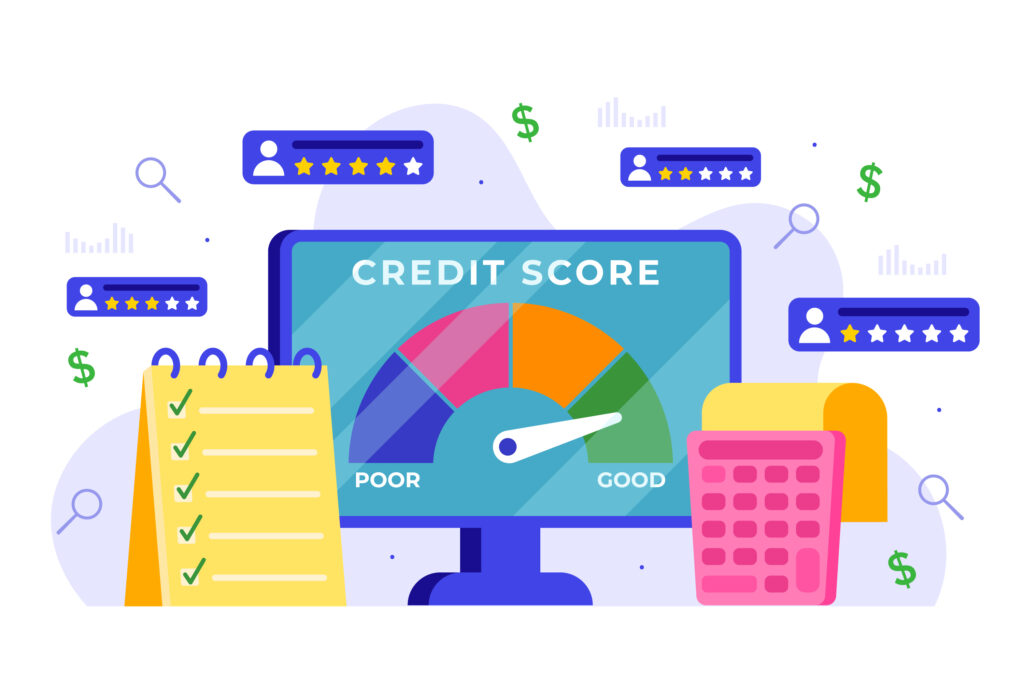
The idea behind Credit Score 2.0 introduces a fresh perspective: it’s no longer only about having credit available, but about managing it wisely and strategically in today’s environment marked by rising interest rates, inflation, and innovative financial technologies.
Why Is Credit So Important in the United States?
In the U.S., unlike many other nations, credit serves not just as a spending tool but also as a measure of how responsible you are with your finances.
Your credit score is determined by several key elements: your payment record, how much credit you use, the length of your credit history, the variety of credit accounts, and recent credit inquiries.
A low credit score can lead to higher interest rates, tougher approval processes, and can even create obstacles in everyday financial activities.
Conversely, having a strong credit score grants access to better loan rates, increased credit limits, and exclusive perks.
Starting from no credit history can seem overwhelming, but with consistent effort and a clear plan, you can fast-track your way to achieving Credit Score 2.0.
Step 1: Start with the Right Tools
The toughest part for people without any credit history is simply getting approved for credit products.
Secured credit cards ask for a security deposit upfront, which sets your credit limit and shows lenders your commitment.
Credit-builder loans are another helpful option — these small loans from specific lenders aim solely to help you establish credit history.
The concept is straightforward: you make monthly payments held in a locked account, and once the loan term ends, you receive your funds back plus improved credit standing.
Step 2: Mastering the Impact of Credit Utilization
A key factor in your credit score is how much of your available credit you actually use, known as the credit utilization ratio.
Financial experts suggest keeping this ratio below 30%, though aiming for a range between 10% and 20% can boost your score even more.
Step 3: The Importance of Payment History
Timely payments weigh heavily in your credit score, and even a single late payment can stay on your report for years, negatively impacting your rating.
Setting up automatic payments is a smart way to ensure bills are paid on time, helping to eliminate the chance of missing due dates.
Step 4: Broaden Your Credit Portfolio
Building your credit score also involves showing that you can manage various types of credit. Relying solely on credit cards might not be sufficient.
Examples like student loans, personal loans, and car leases help create a stronger credit history.
That said, this doesn’t mean you should take on debt unnecessarily. The aim is to maintain a balanced and varied credit profile that fits your financial situation and ability to repay.
Step 5: Handle Credit Inquiries and New Accounts Wisely
Whenever you request credit, the lender conducts a hard inquiry, which can cause a brief dip in your credit score.
For this reason, it’s wise to avoid opening multiple accounts within a short timeframe, even if tempting bonuses or travel rewards are offered.
Credit Score 2.0 stresses strategic planning. It’s more effective to carefully choose one or two credit products that offer real advantages, rather than piling up several cards that might harm your credit history.
The Future of Credit: Technology and AI
The U.S. financial landscape is evolving quickly. Modern apps deliver tailored insights, alert you to risks, and forecast how your choices could affect your credit score in the near future.
These resources are essential companions for anyone aiming to establish a dependable credit record.
Avoid These Common Pitfalls
- Relying only on minimum payments without a plan to clear debt.
- Shutting down old credit cards, which shortens credit history length.
- Neglecting your credit report, risking missed mistakes or fraud.
- Treating credit as extra income instead of a carefully managed tool.
Your Journey Toward Financial Resilience
Establishing a strong credit score in the U.S. isn’t quick—it demands ongoing effort, steady habits, and most importantly, discipline.
The concept of Credit Score 2.0 goes beyond simply having credit—it’s about strategically managing it to benefit you. It involves thoughtful planning, embracing technology, and staying ahead of the curve.

Conteúdo Recomendado
The Truth About Balance Transfers
Balance transfers are very popular in America. But are they a financial solution or a path to mistakes? Check it out.nn
Continuar Lendo * You will remain on the current website